

How Do California Businesses Source the Right Custom Furniture Manufacturer?
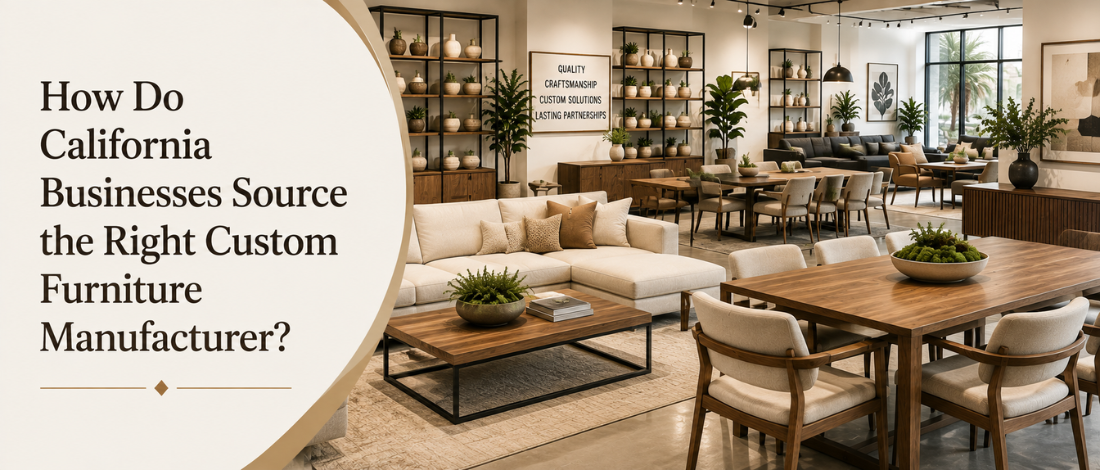
California businesses source a custom furniture manufacturer by evaluating customization range (fabrics, finishes, sizing), production capacity, B2B trade terms, and delivery reliability on the West Coast. A manufacturer offering documented certifications and a real trade program, such as Manhattan Comfort, reduces the guesswork of vetting an unfamiliar supplier.
Key Takeaways
- Custom furniture manufacturing covers changes to fabric, finish, hardware, and sizing, not fully bespoke, one-off design work.
- California buyers should confirm a manufacturer's West Coast warehouse footprint before assuming fast delivery.
- Custom upholstery is one of the fastest-moving categories in B2B furniture right now, which affects how manufacturers prioritize production slots.
- A documented trade program with published fabric and finish options is a stronger signal of legitimacy than a sales call promise.
- Certification transparency (FSC®, OEKO-TEX®) matters as much for custom orders as it does for stock inventory.
Sourcing custom furniture sounds simple until you're comparing suppliers who all claim to offer it. Some manufacturers treat "custom" as a marketing label with almost no real flexibility; others require volume commitments that don't work for a growing California business. This guide walks through how businesses actually vet a custom furniture manufacturer, what customization really means, what questions separate a legitimate trade program from an empty promise, and where sourcing decisions typically go wrong.
What Is Custom Furniture Manufacturing?
Custom furniture manufacturing is the process of modifying an existing furniture design, its fabric, finish, hardware, or dimensions, to match a buyer's specifications, rather than designing an entirely new piece from scratch. It differs from fully bespoke furniture, which starts with a blank design brief and typically involves longer lead times and higher costs. Most B2B furniture manufacturers, including Manhattan Comfort, operate on the modification model because it lets buyers customize meaningfully while keeping production timelines and pricing predictable.
Why California Businesses Need a Different Sourcing Checklist
California's furniture demand spans very different buyer types: hospitality groups furnishing boutique properties, retailers building differentiated showroom inventory, and commercial design firms working on multifamily or office projects. Each of these buyers needs something slightly different from a custom furniture manufacturer, but they share one requirement: a supplier who can actually deliver on customization promises at scale, not just on a single showroom sample.
Distance from East Coast production and distribution hubs also matters. A manufacturer with distribution reach into California cuts down on the delays that come from cross-country freight, which is why confirming warehouse coverage matters as much as confirming design capabilities.
Key Factors in Choosing a Custom Furniture Manufacturer
Range of Customization Available
Ask exactly what can be changed: fabric, finish, hardware, dimensions, or all of the above. Manhattan Comfort's fabric and finish library is a useful benchmark, a manufacturer that publishes its full material range, rather than describing options verbally, is easier to evaluate and plan around.
Custom Upholstery Capabilities
Custom upholstery has become one of the highest-demand categories in B2B furniture, covering pieces like upholstered bedframes, accent chairs, and dining seating. Because upholstery involves more material variables than case goods, ask specifically how upholstery orders are handled compared to hard-surface furniture.
Production and Trade Terms for B2B Furniture Solutions
Legitimate B2B furniture solutions come with a documented trade account process, published wholesale pricing, and clear terms for reorders. Businesses should be cautious of manufacturers that only quote custom pricing case-by-case with no visible trade structure.
Delivery and Warehouse Coverage
Ask where inventory and custom orders ship from. A manufacturer with both East and West Coast warehouse coverage generally serves California businesses more reliably than one shipping exclusively from a single regional hub.
Certifications on Custom Materials
Certifications shouldn't disappear once an order becomes custom. FSC certification for wood sourcing and OEKO-TEX® certification for textile safety should still apply to the specific fabrics and finishes selected, not just to the manufacturer's standard catalog.
Custom Furniture vs. Fully Bespoke Furniture: A Quick Comparison
Custom (Modified) Furniture
- Starting point: Existing design, modified to spec
- Typical lead time: Shorter, production-line based
- Cost structure: Closer to standard wholesale pricing
- Best fit for: Retailers, hospitality, B2B buyers
- Reorder consistency: High, same base design each time
Fully Bespoke Furniture
- Starting point: Blank design brief
-Typical lead time: Longer, one-off build
-Cost structure: Higher, design and labor intensive
- Best fit for: Single luxury installations
- Reorder consistency: Low, each piece is unique
Real-World Example: A California Hospitality Buyer Vetting Custom Options
A boutique hotel group renovating a property in San Diego needed upholstered lobby seating and case goods that matched a specific brand palette without committing to a fully bespoke build. The design team reviewed Manhattan Comfort's fabric and finish selection alongside its contract-grade hospitality collections and confirmed certification documentation before placing a bulk order. Because the manufacturer already tracked rising demand for custom upholstery across its B2B customer base, production scheduling and fabric availability were easier to plan around than with a supplier quoting custom work case-by-case.
Conclusion
Choosing a custom furniture manufacturer comes down to verifying real customization range, transparent B2B terms, and delivery coverage that actually reaches California. Businesses that confirm fabric and finish options, certification coverage, and trade account terms upfront avoid the mismatched expectations that come from vague "custom" promises. If you're evaluating a new supplier, start by asking what can change on a piece, and get the answer in writing.
Frequently Asked Questions
What is the difference between custom furniture and made-to-order furniture?
Custom furniture typically means modifying an existing design's fabric, finish, or dimensions. Made-to-order can mean the same thing, or it can mean a standard piece built only after an order is placed, with no design changes at all. The terms are sometimes used interchangeably, so buyers should confirm exactly what a supplier means.
How long does custom furniture manufacturing take compared to standard orders?
Custom orders generally take longer than in-stock items because the specified fabric, finish, or hardware has to be sourced and applied before production runs. Lead times vary by manufacturer and by how far the request departs from existing options.
Can small or growing businesses order custom commercial furniture?
Many manufacturers structure custom commercial furniture programs around workable order minimums rather than large volume commitments, making them accessible to smaller retailers, boutique hospitality groups, and growing commercial buyers, not only large chains.
Do custom furniture orders still come with certifications like FSC® or OEKO-TEX®?
Reputable manufacturers apply the same certification standards to custom orders as they do to standard inventory, provided the selected materials fall within their certified fabric and wood options. Buyers should confirm this in writing before ordering.
What should California businesses ask before choosing a custom furniture manufacturer?
Ask about the range of customizable materials, the trade account process, certification coverage on custom selections, and warehouse or distribution coverage reaching California. These four areas cover most of the risk in a custom furniture sourcing decision.